This exploration is for all ages, as the colored smilies show. You can make a pop bottle bottle ecosystem with all your kids. If you have older teens, have them help in the teaching as well.



The pop bottle ecosystem is a biology exploration from the Ecology unit in the Biology course. Layers of Learning has hands-on experiments in every unit of this family-friendly curriculum. Learn more about Layers of Learning.
An ecosystem is an interconnected zone where life exists. It includes the air, the water, the soil, the animals, the plants, and the bacteria in that zone. The space an ecosystem takes up depends on how a person defines it. The entire Amazon rain forest could be an ecosystem, but so could the life cradled in the water trapped in a single leaf high in the canopy of the rain forest.
Defining an ecosystem helps us see that life is interconnected and when one living thing or species is affected so are they all. We see how materials, like water, are cycled through the whole ecosystem to benefit each part of it. The fish and the plants and the soil are all affected by the same water, for example. You can make a small ecosystem in a pop bottle.
Step 1: Library Research
Before you begin exploring, read a book or two about ecosystems. Here are some suggestions, but if you can’t find these, look for books at your library about ecosystems. The colored smilies above each book tell you what age level they’re recommended for.
As Amazon affiliates, the recommended books and products below kick back a tiny percentage of your purchase to us. It doesn’t affect your cost and it helps us run our website. We thank you!
What If There Were No Bees?
by Suzanne Slade
An excellent way to teach the importance of all the pieces in an ecosystem. Also look for others in this series.
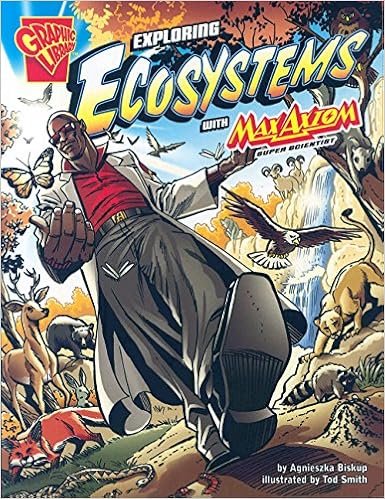
Exploring Ecosystems With Max Axiom
by Agnieszka Biskup
The Wonderous Workings of Planet Earth
by Rachel Ignotofsky

Includes info on levels of organization: ecosystems, biomes, niches. And also talks about individual ecosystems, how humans affect ecosystems, and more.
Step 2: Pop Bottle Ecosystem Exploration
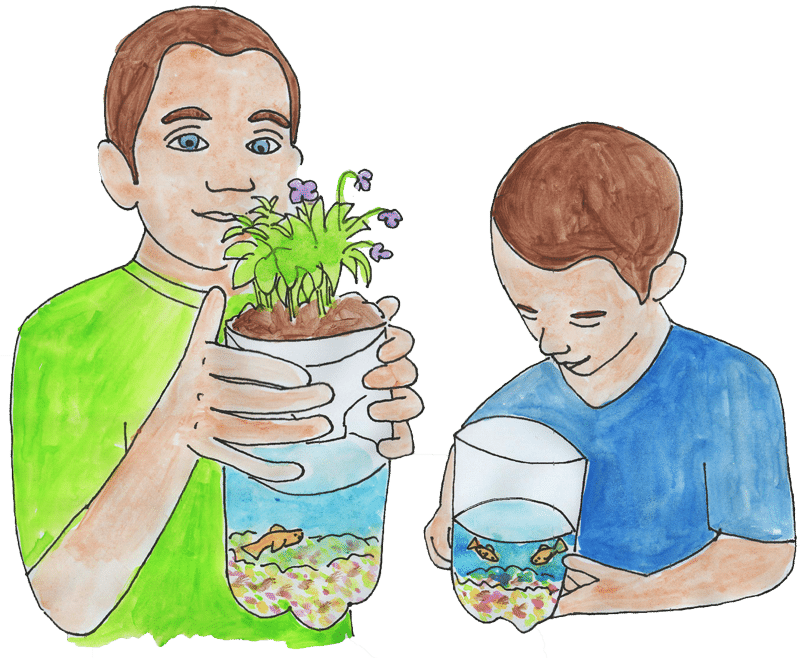
To make each pop bottle ecosystem you will need a clear 2-liter soda pop bottle, a small plant, 2-3 small fish, aquarium rocks, string, paper coffee filters, and water.

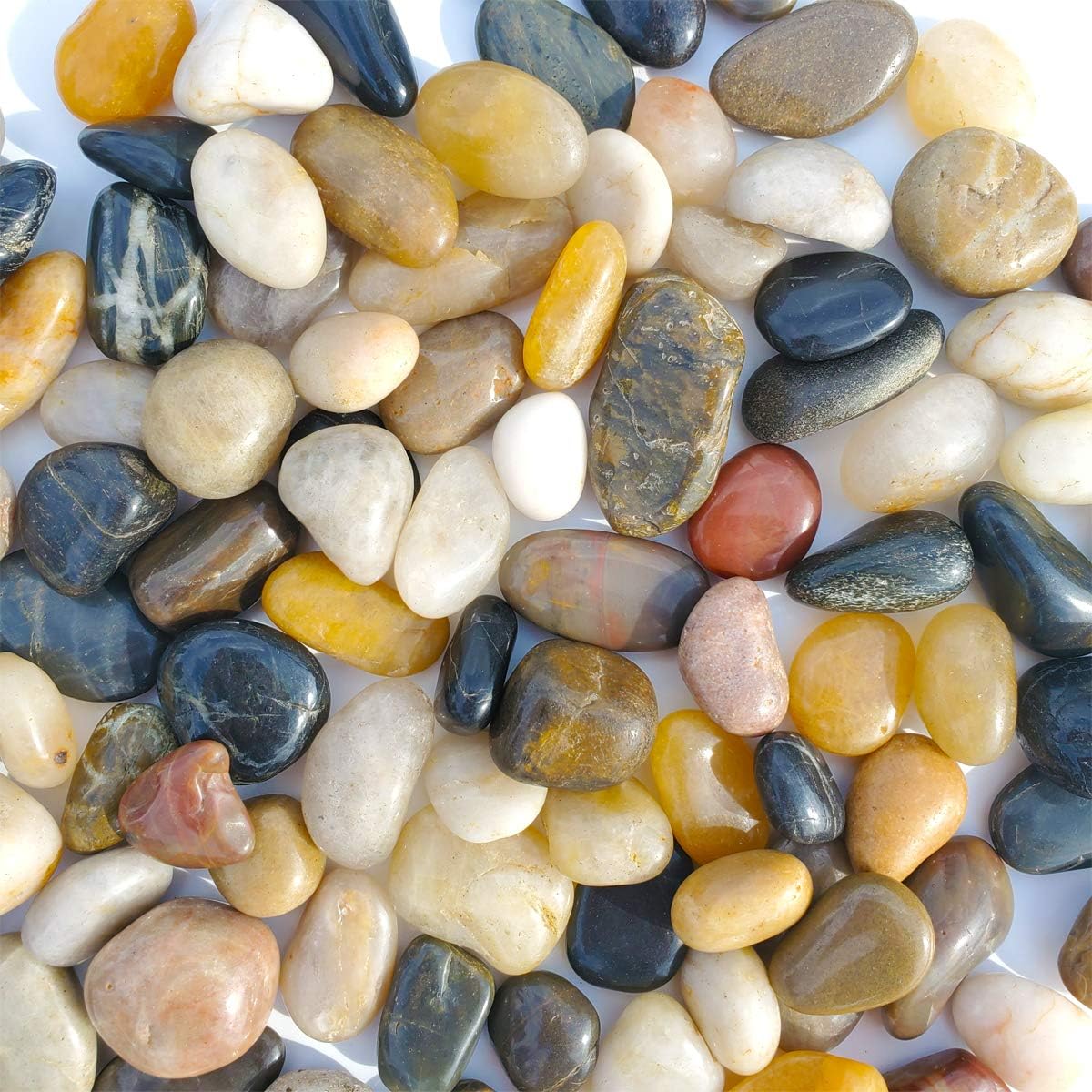
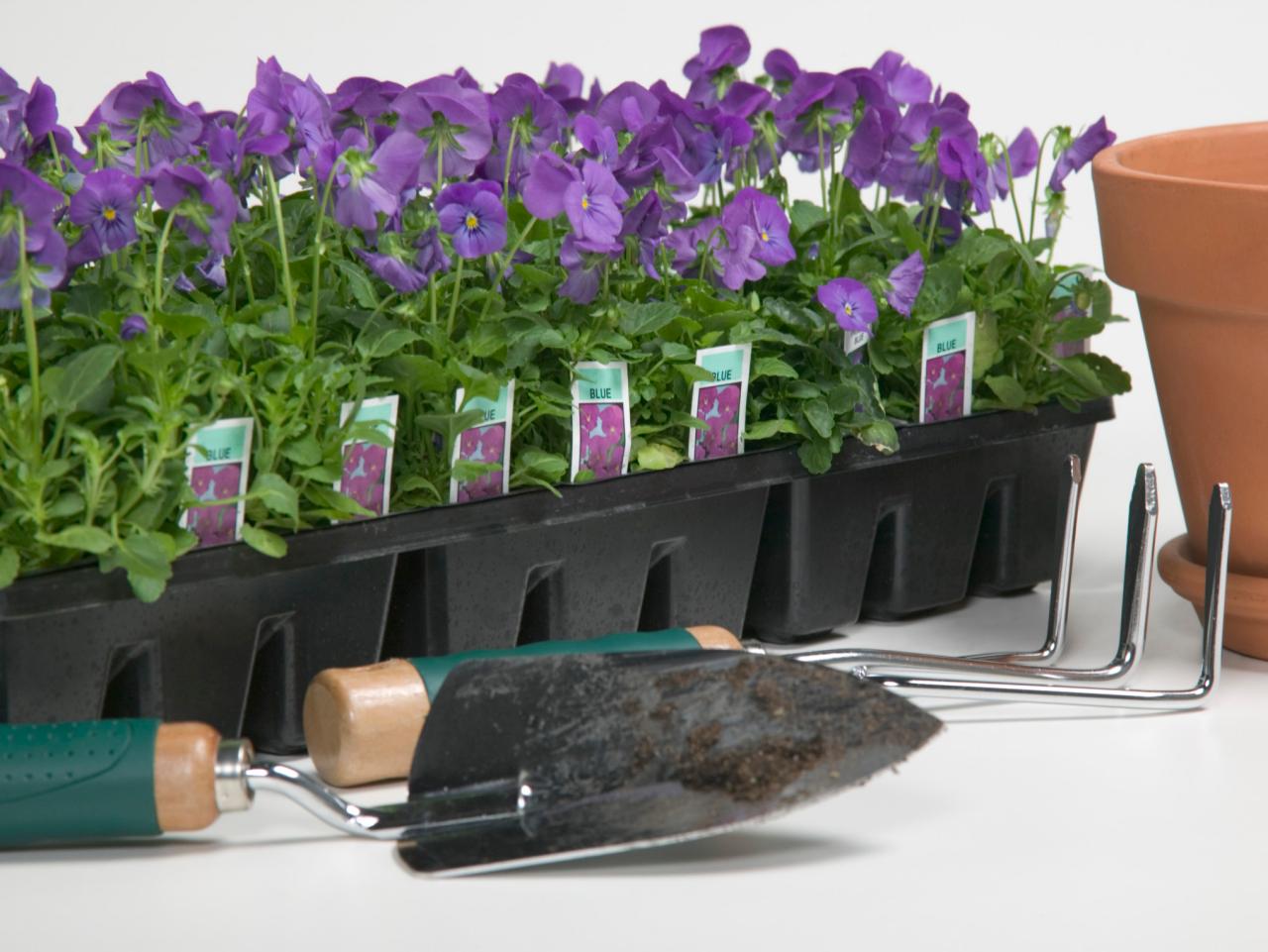

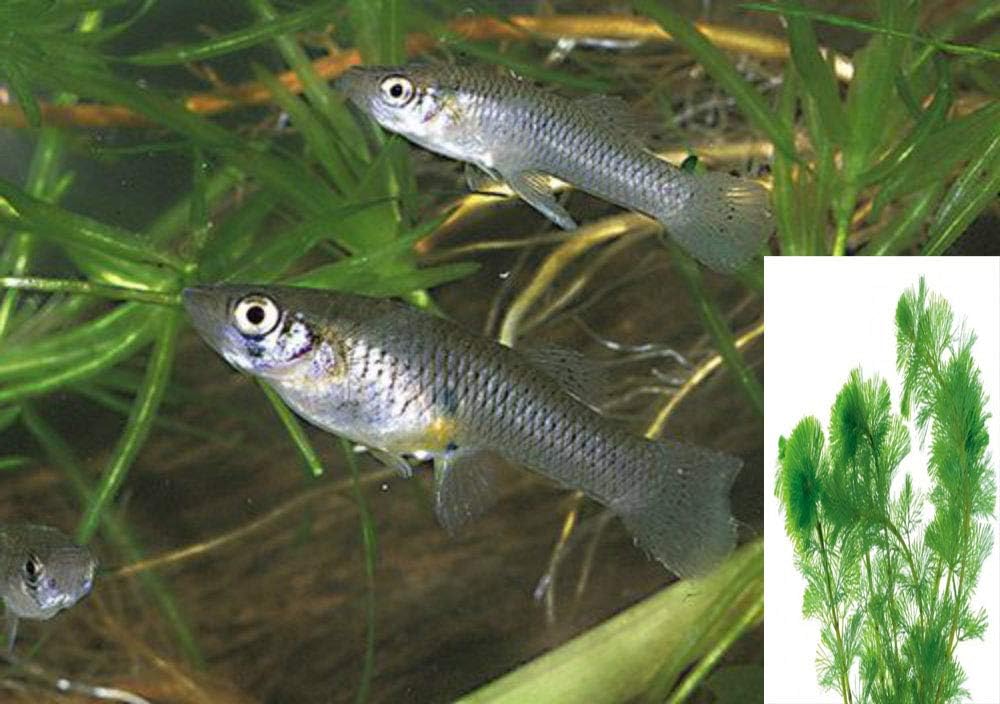

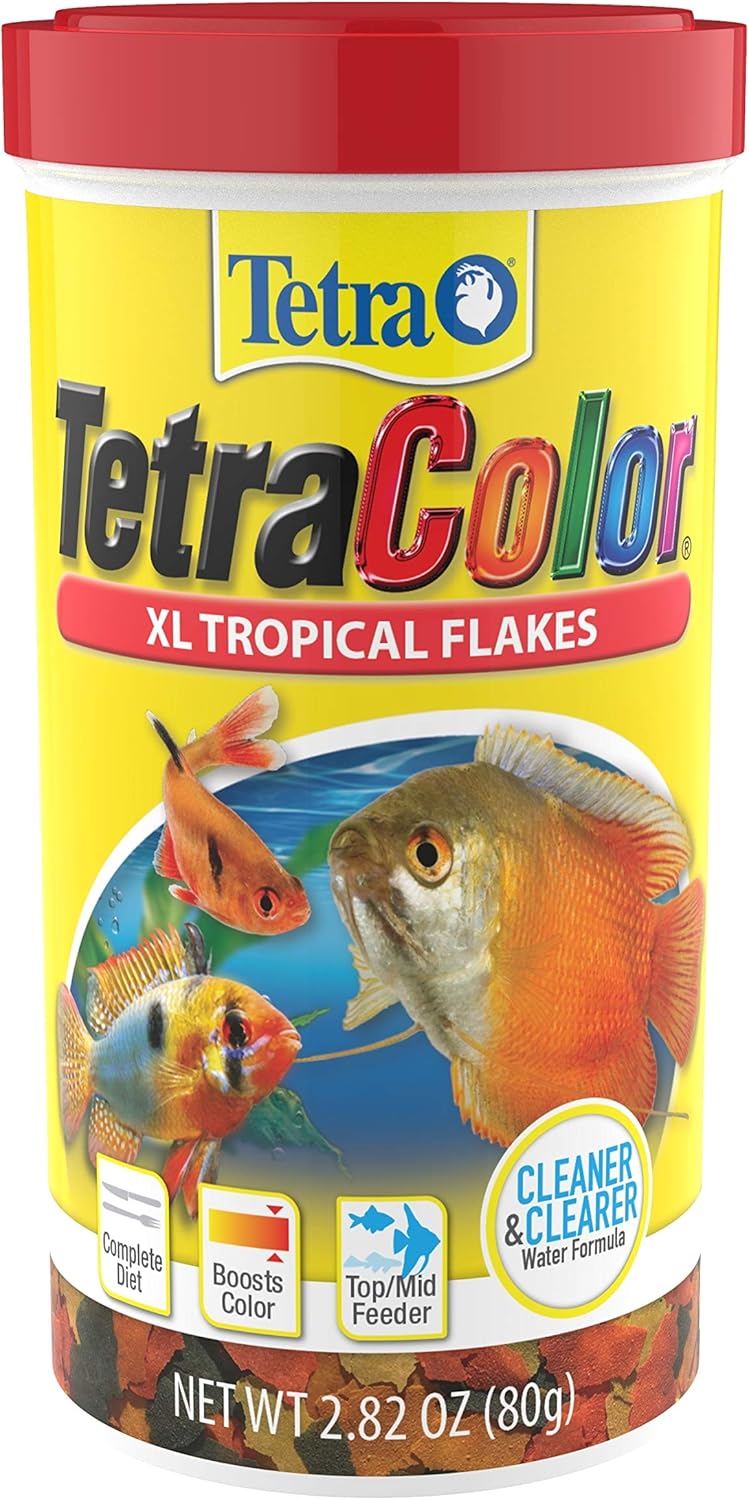
After you have built your ecosystem, you will also need fish food for your fish.
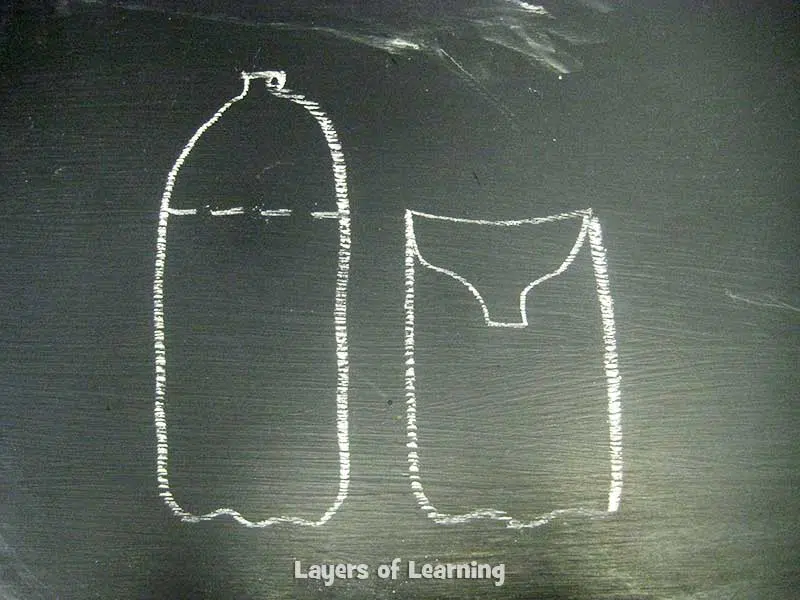
Start with a 2 liter bottle, clear is best so you can see through it. Cut the top off the bottle, just below where the straight sides begin on the bottle.
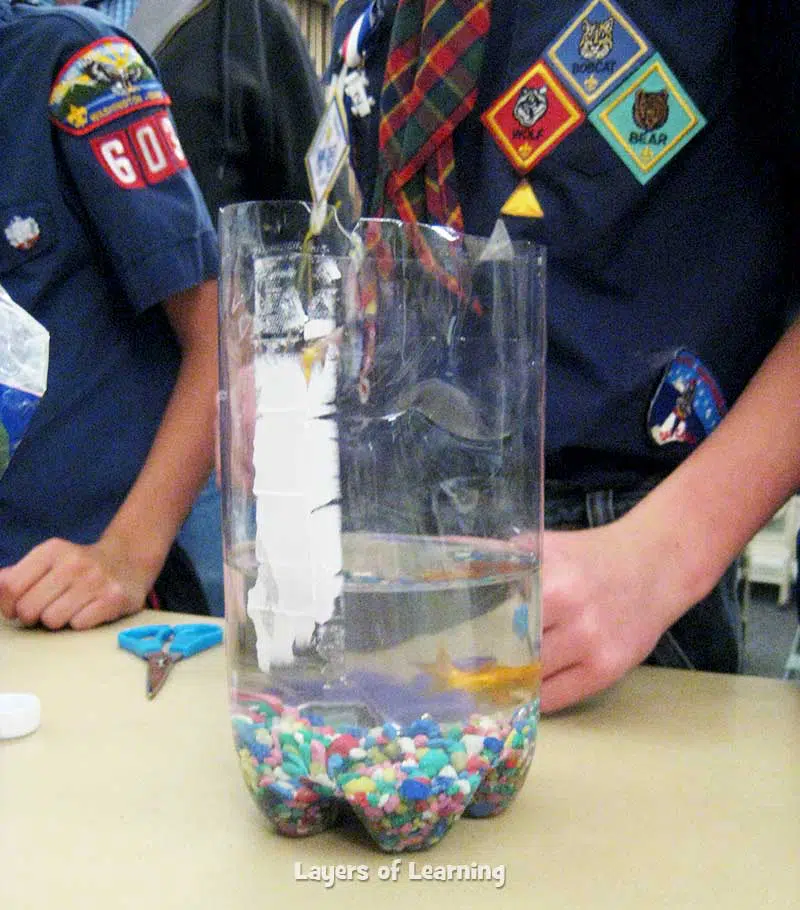
Next add some aquarium rocks, some water, and a few goldfish. Make sure you use water your goldfish are acclimated to temperature wise. If you leave the water sitting out at room temperature for a few hours before you add it to the goldfish water it will be fine.
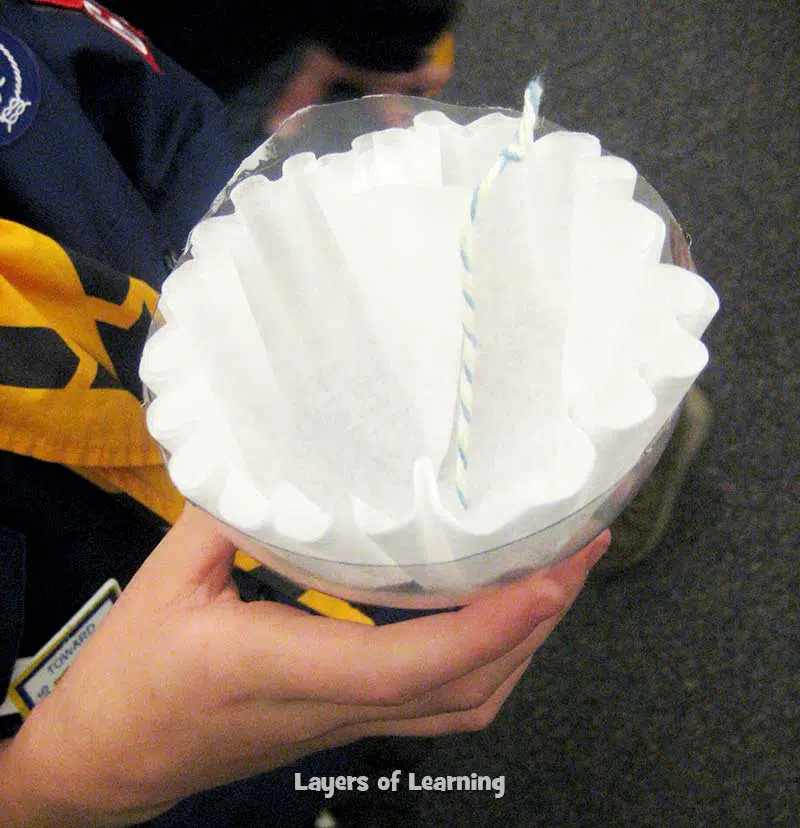
Now get two coffee filter papers and cut two small holes in the center. Cut a piece of string long enough so it can reach from the top of the bottle down to the water with the goldfish. Tie a knot in one end of the string. Thread the un-knotted end through the top of the filter papers, through the little holes you made. Set the filter paper down inside the inverted top of the bottle that you already cut off.
Get a plant from the garden center and place it into the coffee filter inside the inverted top of the pop bottle. You may need a little extra gardening soil to fill up the space.
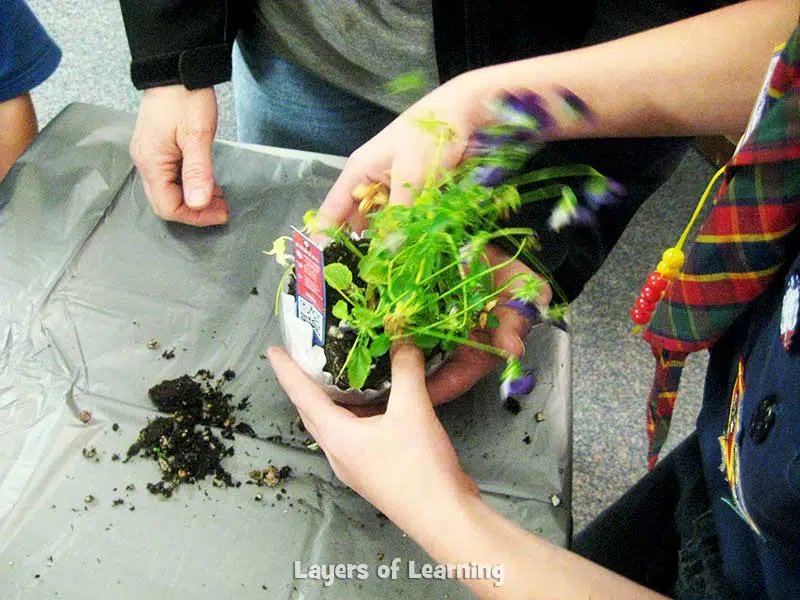
The base of the plant should end up about level with the upper cut edge of the pop bottle.
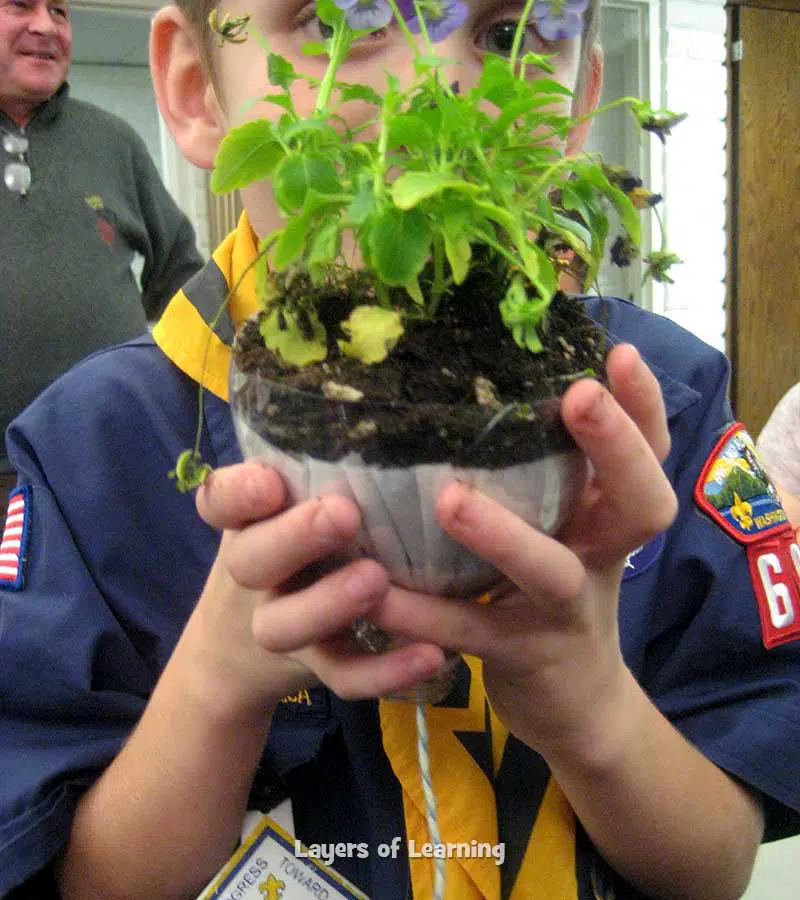
Place the plant and top of the bottle into the lower part of the bottle, the part with the goldfish in it, so that the string dangles down into the water.
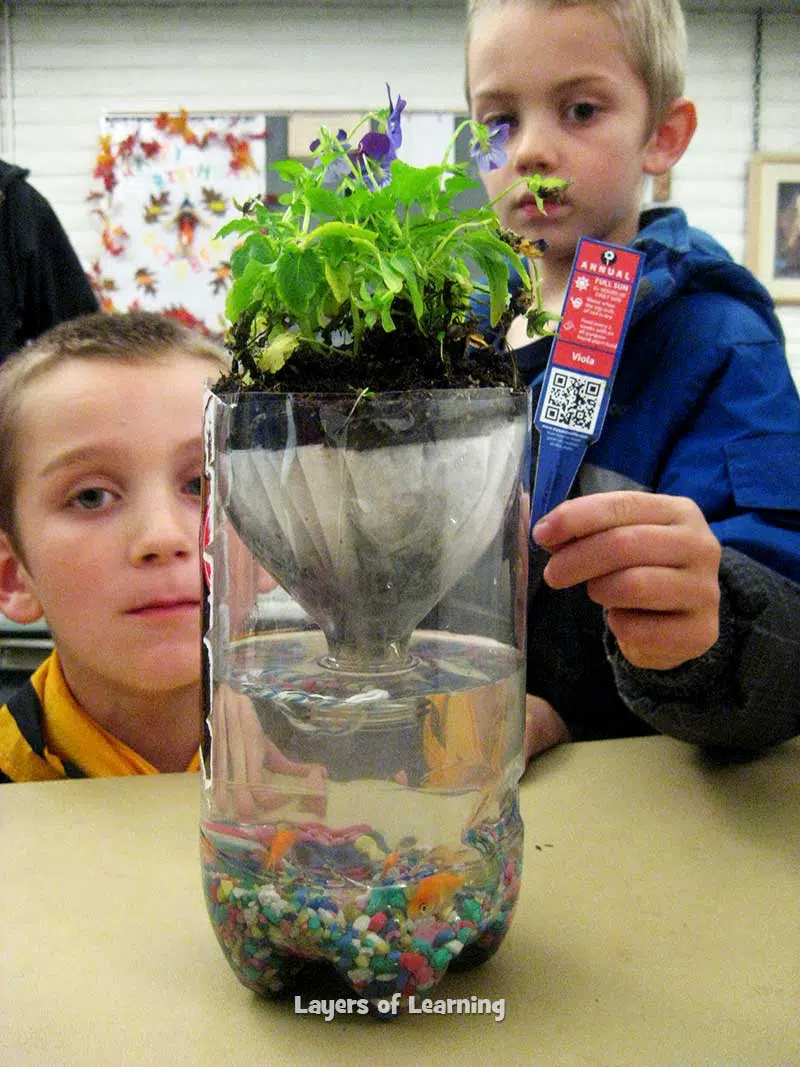
Poke a small hole in the side of the lower part of the bottle, above the water line, but low enough that your child can put a flake or two of fish food through the hole to feed the fish each day. The water, rich with nutrients from the fish, will wick up the string to water your plants. You have made a little ecosystem with a plant, animals, water, soil, rocks, air, sunlight, and food that you replenish every day.
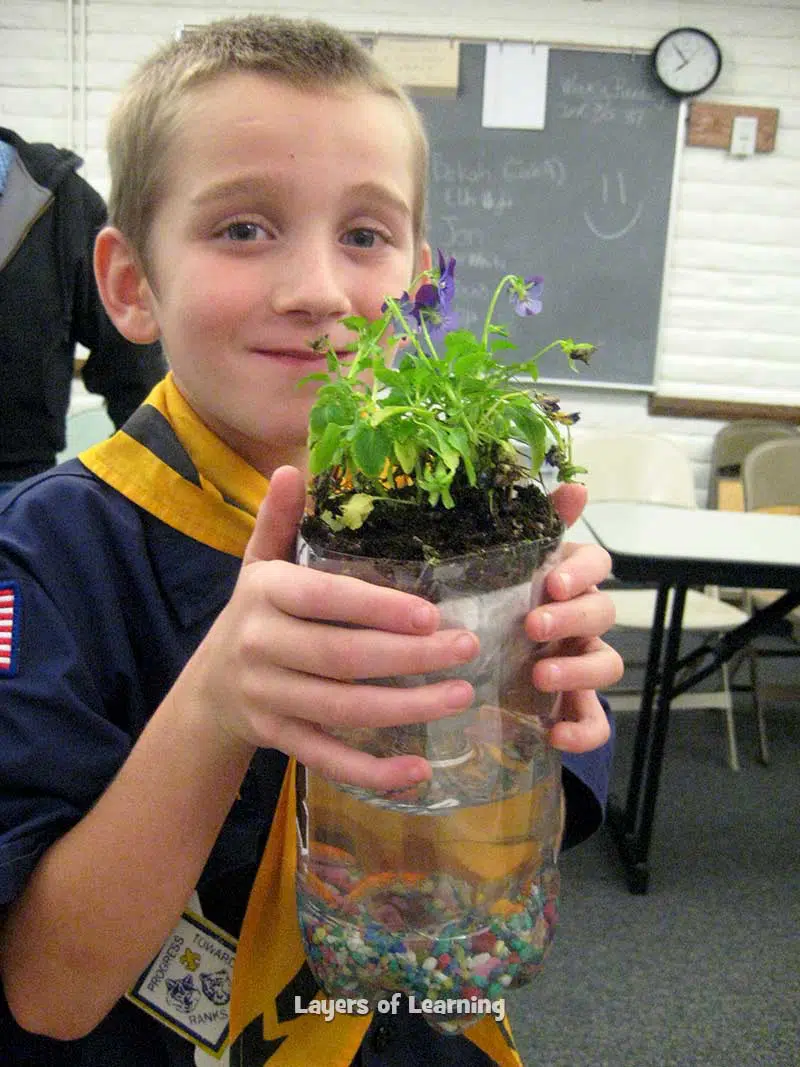
Step 3: Show What You Know
Draw a labeled diagram of your pop bottle ecosystem in your science notebook. Explain how the parts of the ecosystem are connected to one another.
Additional Layers
Additional Layers are extra activities you can do or tangents you can take off on. You will find them in the sidebars of each Layers of Learning unit. They are optional, so just choose what interests you.
Writer’s Notebook
Write a story about a little person inside your Pop Bottle Ecosystem. What would your little person eat? How would she get down to the water? How would the water get clean enough for your little person to drink it?
Deep Thoughts
Talk with your child about he or she must care for the ecosystem. The fish needs to be fed a flake of food each day. The water needs to be cleaned every couple of weeks. The plant needs to be set somewhere it can get enough light. And the soil needs to be checked to be sure it stays moist enough.
Compare this to the way people need to care for all of the ecosystems on earth, by not littering, by using resources responsibly, and by lightly treading in our world.
Additional Layer
Learn about a particular ecosystem near where you live. Find out about the animals and plants that live there and the amount of water and sunlight the area gets. Are there any endangered species or invasive species that have changed the ecosystem lately? What is the human impact on the ecosystem. Read everything you can and then if possible go visit in person and observe what it is like in your local ecosystem.